
What to Look for When Choosing a CRM System (for Insurance Brokers)
Choosing a Customer Relationship Management (CRM) system is one of the most important operational decisions an insurance brokerage can make. The right platform becomes the backbone of your client relationships, compliance workflows, and team productivity.
But with so many systems on the market, the decision might feel overwhelming.
Rather than focusing on brand names or feature lists, it’s often more helpful to step back and consider what actually matters for a brokerage in practice. Below are eight key things worth evaluating when selecting a CRM.
1. Industry Alignment
Not all CRMs are built with insurance in mind.
General-purpose CRM platforms can work, but insurance brokers should evaluate how well the system handles:
- Policy lifecycle management
- Client risk profiles
- Renewal workflows
- Compliance documentation
- Integration with Broking Platforms and Insuretech solutions
A CRM that understands the rhythm of the insurance industry will reduce workarounds and manual processes.
2. Workflow Flexibility
No two brokerages operate exactly the same way.
Your CRM should allow you to adapt workflows around how your team actually works, rather than forcing your team to change everything to fit the software.
Look for systems that support:
- Custom pipelines and workflows
- Automated reminders and renewals
- Configurable data fields
- Flexible reporting
The goal should be clarity and consistency without rigidity.
3. Data Ownership and Visibility
Your client data is one of your most valuable assets.
When evaluating a CRM, make sure you understand:
- Where your data is stored
- How easily it can be exported
- Who controls access and permissions
- How secure it is
Transparency and accessibility matter, especially when a system becomes central to your operations.
4. Integration with Your Existing Tools
Most brokerages already rely on multiple systems — accounting software, email, document storage, quoting platforms, and compliance tools.
A CRM should connect with your broader ecosystem, rather than sitting in isolation.
Consider:
- Email integration
- Document management
- Accounting connections
- Automation tools
- API flexibility for future integrations
The best CRM systems reduce duplication, rather than creating more data entry.
5. Reporting and Business Insight
A CRM shouldn’t just store data — it should help you understand your business.
Good reporting allows brokers to answer questions like:
- Which policies are coming up for renewal?
- Where are new clients coming from?
- What is the pipeline value for the next quarter?
- Which processes are slowing the team down?
Clear reporting helps leadership make better decisions and helps teams focus their efforts.
6. Implementation and Support
One of the most overlooked parts of CRM selection is the implementation journey.
Even the best software will struggle if it’s poorly implemented.
Ask questions such as:
- What does onboarding look like?
- Is training provided for the team?
- Is there real support when problems arise?
- Are updates and improvements ongoing?
Technology adoption is rarely perfect — and having support when things get messy makes a real difference.
7. The Balance Between Automation and Human Relationships
Automation is incredibly powerful.
Renewal reminders, task management, and workflow automation can save teams hours of repetitive work. Increasingly, AI is also becoming part of CRM platforms.
But insurance remains a relationship-driven industry.
The best systems support automation without replacing the human connection that sits at the heart of broking. They should help brokers spend more time with clients, not less.
8. The People Behind the Platform
Finally, it’s worth remembering that software doesn’t exist in isolation — real people build it, support it, and evolve it.
When evaluating a CRM provider, consider the culture and values of the team behind it.
At Fortix, this human element is something we talk about often. Earlier this year, our team gathered in person for our yearly Fortix Vision Launch. The Fortix team came together, (some from interstate and overseas) and from different roles and departments to share ideas, learn from one another, and strengthen the way we work together.
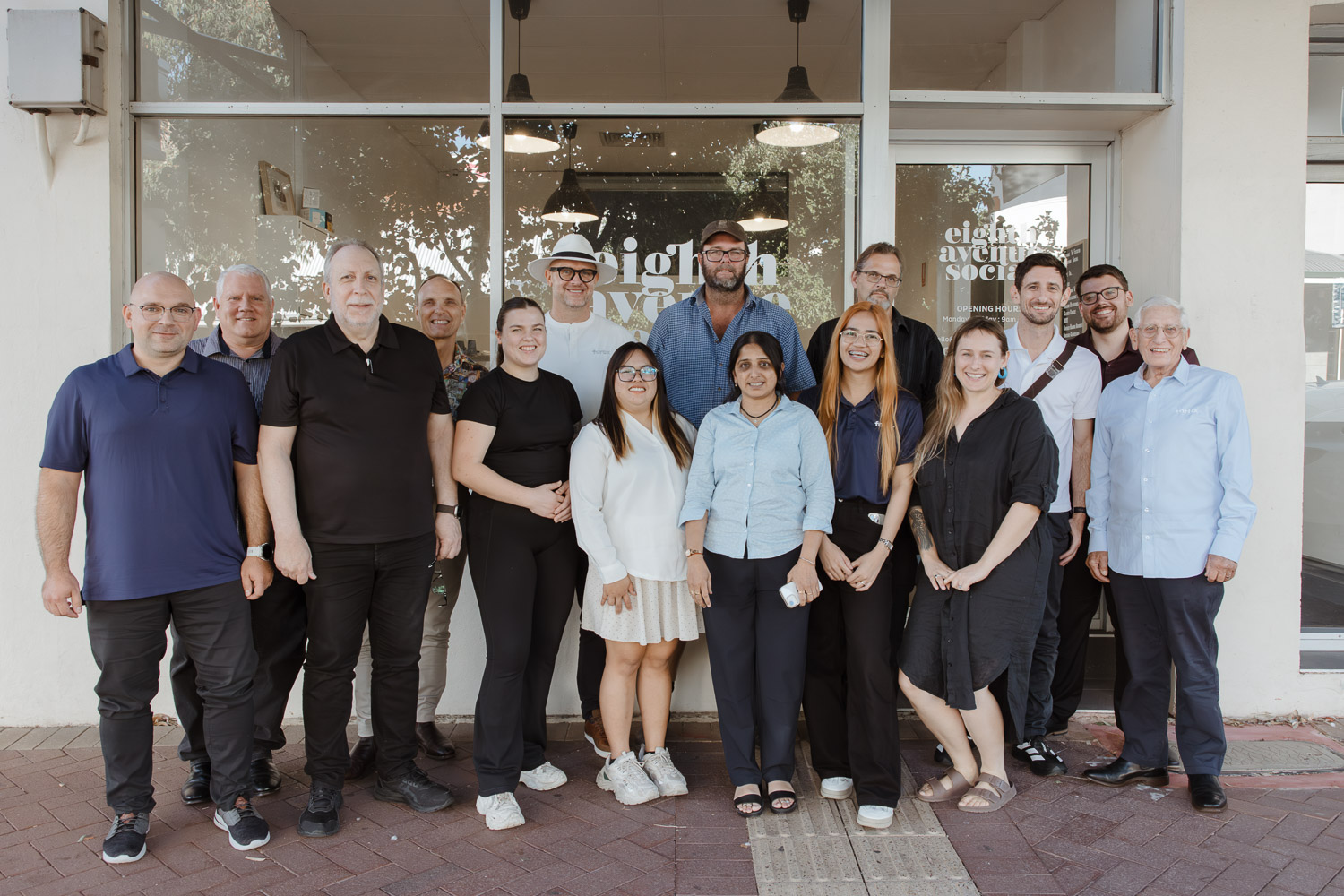
Coming together in person was not only fun, but it also mattered deeply to our team because it shapes how we do our best work. We’re a team of real humans who care deeply about helping brokerages do their best work. We are all about embracing the future of AI and working efficiently, but also believe that technology works best when it supports people rather than replaces them.
The work we do together is fun, creative and occasionally imperfect — but ultimately more thoughtful, collaborative, and grounded in real human relationships.
Final Thoughts
The best choice when it comes to choosing your CRM will depend on your size, workflows, growth plans, and the way your team prefers to work. But when focusing on the fundamentals — alignment with your industry, flexibility, transparency, integration, insight, support, and the people behind the system — you’ll be far better positioned to make a confident decision.
Because ultimately, a CRM isn’t just about efficiency and managing data. It’s about supporting the relationships that drive your business forward.
Want to grow your brokerage?
If your brokerage is managing expansion and growth, Fortix can help you build the structure to scale with smarter AI workflows. Contact our Systems Specialist to see how you can grow your business today.
Talk to our systems specialist